Logged In and Listening: How Real-Time Digital Communities Are Transforming What It Means to Be a Jazz Fan
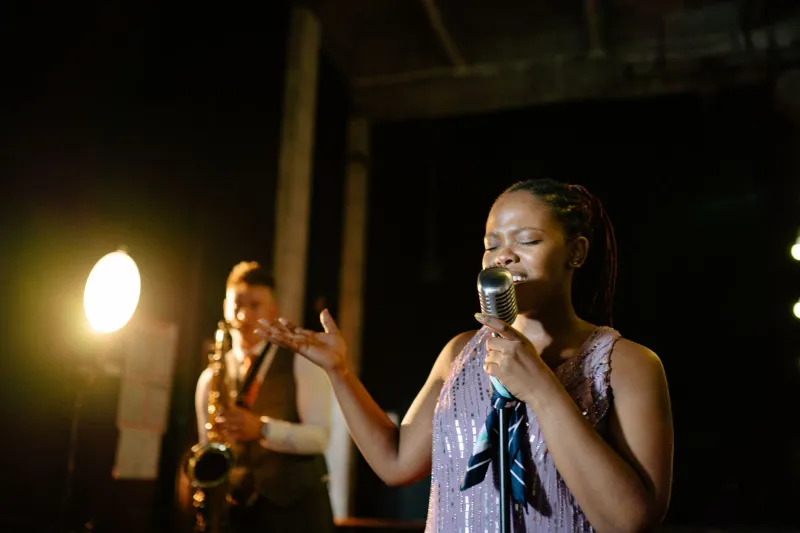
There is a particular quality to the moment when a performance locks in—when the rhythm section finds its pocket, when the soloist says something unexpected, and every person in the room feels it simultaneously. Jazz has always been a music of shared presence. What no one anticipated was that a generation of fans would find a version of that presence inside a chat window.
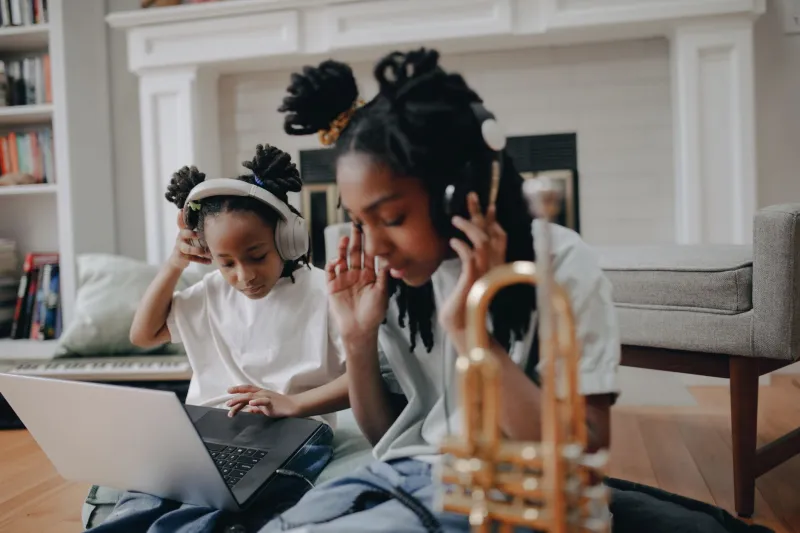
Across Discord servers and Slack communities with names like The Real Book Room, Coltrane Changes, and After Hours Collective, thousands of jazz listeners in the United States and beyond are gathering in real time to do something that platforms like Twitter or Instagram were never quite designed for: actually listen together.
The Difference Between Posting and Being Present
The distinction matters more than it might initially appear. Social media, for all its reach, operates on delay. A listener posts a thought about a Blue Note reissue and waits—for likes, for replies, for the algorithm to decide who sees it. Podcasts, as thoughtful as many have become, are monologues consumed in private. Neither captures the sense of spontaneous exchange that defines jazz at its best.
Synchronous platforms change that equation. When a Discord server hosts a live listening session around, say, a newly released album from a contemporary pianist, the chat moves in real time. Someone catches a harmonic choice in the third track and types about it before the phrase has finished resolving. Another member—perhaps in Chicago, perhaps in Baton Rouge—responds within seconds. A third listener, who has been lurking quietly, finally speaks up because the conversation has arrived somewhere worth entering.
For longtime fans, that rhythm feels familiar. It resembles, in its own way, the conversations that happen between sets at a small club: quick, unguarded, and shaped entirely by what just came out of the speakers.
Architecture of a Jazz Server
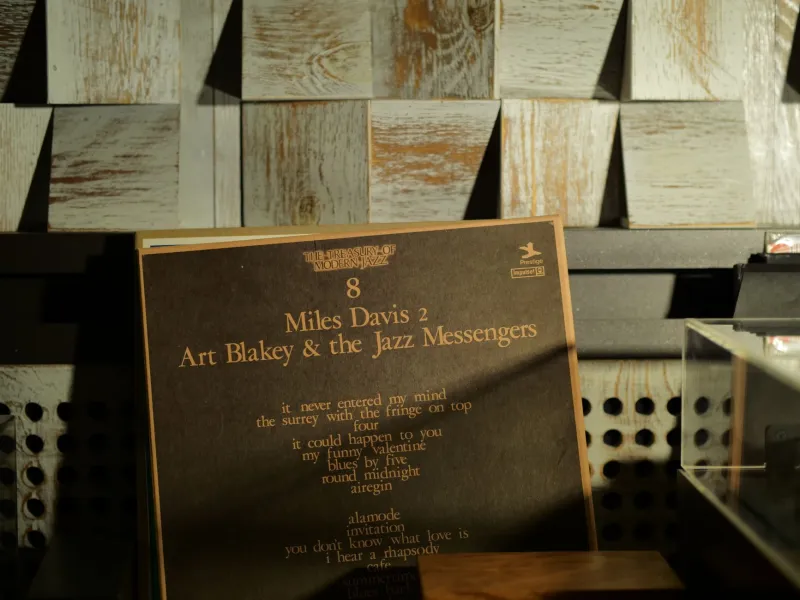
The internal organization of these communities reveals a great deal about how their members understand jazz itself. Most serious servers divide their channels along lines that would not surprise a jazz educator: one space for bebop and hard bop, another for free and avant-garde, a third for contemporary and fusion, and inevitably a channel simply called gear or vinyl, where equipment obsessives hold court.
Beyond genre channels, many communities have developed listening-party infrastructure—scheduled events, sometimes moderated by a designated host, in which members agree to press play simultaneously and respond as the music unfolds. The practice borrows loosely from the old radio tradition of shared broadcast, updated for an era in which the listener controls the source.
Some servers have gone further, inviting working musicians to drop in for informal conversations. These appearances rarely resemble formal interviews. They tend toward the candid: a bassist discussing what actually goes wrong during a gig, a pianist explaining why a particular chord substitution felt wrong even when it was technically correct. The informality is the point. Jazz has always valued what happens off the bandstand as much as what happens on it.
Who Is Showing Up
The demographic composition of these communities challenges some of the more pessimistic narratives about jazz's audience. Alongside the expected contingent of middle-aged collectors and music-school graduates, these servers attract younger listeners who came to jazz through hip-hop samples, video game soundtracks, or a single well-placed Spotify recommendation. The real-time environment turns out to be a surprisingly effective equalizer.
Experience levels mix in ways that formal settings rarely permit. A listener who has spent thirty years with Monk can share the same channel, in the same moment, with someone who heard Kind of Blue for the first time last month. Neither needs to perform expertise. The music is playing, and the reaction is what it is.
For that newer listener, the community functions as an accelerated education—not because anyone is lecturing, but because organic conversation reveals context. A passing comment about why a particular drummer's brush technique sounds unusual leads, naturally, to a short history of the style in question. Nobody assigned the lesson. It emerged from the music.
The Limits of the Screen
Honesty requires acknowledging what these platforms cannot do. They cannot reproduce the physical resonance of a room where music is being made. They cannot replicate the eye contact between musicians mid-solo, or the particular silence that falls over a club audience when something extraordinary is happening. Text, however quick, is still text.
Some community members are candid about this. They describe their server participation as a supplement—a way of extending the conversation that begins at a live show, or of maintaining connection to the music during stretches when attending performances is financially or logistically impossible. The platform is not a replacement. It is, as one longtime server member put it, the equivalent of calling a friend after the concert to talk about what you both just heard.
That framing may be the most useful one. Jazz has always moved between the formal and the informal, the public and the private, the performed and the discussed. These digital rooms are simply the latest space in which that movement is happening—imperfect, immediate, and unmistakably alive.