Grooves That Endure: How Vinyl Is Reshaping the Jazz Listener's World
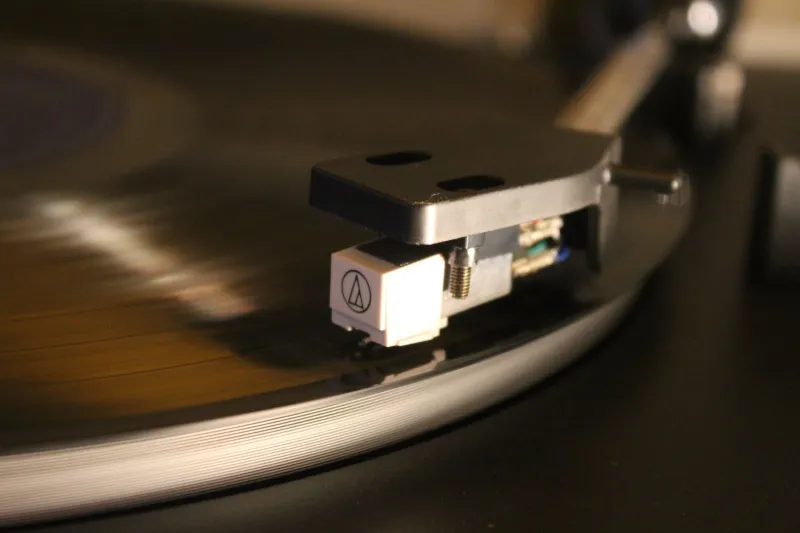
There is something almost paradoxical about the fact that in an era defined by instant gratification and algorithmic convenience, a growing number of Americans are choosing to lower a needle onto a spinning disc rather than press play on a smartphone. Yet that is precisely what is happening — and nowhere is this counterintuitive revival more vivid than within the jazz community.
According to the Recording Industry Association of America, vinyl LP revenues surpassed compact disc revenues for the first time since the 1980s in 2020, and that momentum has only accelerated in the years since. Jazz, a genre whose history is inseparable from the 12-inch record, sits at the very center of this renaissance.
The Numbers Behind the Needle
Industry trackers at Luminate — formerly MRC Data — consistently place jazz among the top genres driving vinyl purchases in the United States. Independent record stores, whose survival once seemed precarious, now report that jazz titles frequently lead their weekend sales. Record Store Day, the annual retail celebration held each April, has become a pilgrimage for jazz collectors who arrive before dawn hoping to secure limited pressings from labels such as Blue Note, Impulse!, and ECM.
Blue Note Records, arguably the most storied imprint in jazz history, relaunched its vinyl program with considerable ambition. Its Tone Poet series — audiophile pressings produced by Joe Harley and mastered directly from original analog tapes — commands premium prices and sells out reliably. A standard Tone Poet pressing retails between forty and sixty dollars, yet demand consistently outstrips supply. The message from the marketplace is unambiguous: listeners are willing to invest meaningfully in a tangible, high-fidelity experience.
Why Analog Warmth Resonates Now
To understand the vinyl resurgence, one must consider what streaming platforms actually deliver — and what they conspicuously do not. Services such as Spotify and Apple Music offer extraordinary breadth: millions of tracks available within seconds, curated playlists, and personalized recommendations. What they cannot replicate is the ritual.
Margarette Holloway, a Chicago-based collector who has assembled more than two thousand jazz records over three decades, describes the distinction plainly. "When I put on a Coltrane record, I'm not just listening to music. I'm handling something that has weight and history. The act of cleaning the record, reading the liner notes, watching the label spin — that's part of the music for me. No algorithm gives you that."
Holloway's sentiment surfaces repeatedly among collectors of all ages. What is perhaps most striking about the current vinyl moment is its demographic breadth. Older enthusiasts who grew up with records have returned to the format after a digital detour. Younger listeners — many of whom encountered jazz through streaming — are discovering vinyl as a deliberate act of deepening their engagement with the genre.
Acoustically, the argument for vinyl in jazz is particularly compelling. The genre's dynamic range, its reliance on subtle textural gradations, and the warmth of acoustic instruments all translate with exceptional fidelity on a well-pressed record played through quality equipment. Digital compression, even at high bit rates, can flatten precisely the nuances that make a Bill Evans piano chord or a Miles Davis muted trumpet phrase so affecting.
Independent Labels Seize the Moment
The vinyl revival has created a genuine commercial opportunity for independent jazz labels, many of which had been operating on thin margins in the streaming economy. Labels such as Newvelle Records, which distributes exclusively on vinyl by subscription, and Whaling City Sound have built loyal followings by treating the record as an artifact worthy of care — premium pressings, thoughtful packaging, and detailed annotation.
Newvelle's model is particularly instructive. Founded in 2015, the Brooklyn-based label produces limited edition vinyl releases and ships them directly to subscribers without making the music available on streaming platforms at all. The scarcity is intentional. Co-founder Elan Mehler has spoken publicly about the belief that jazz deserves a listening context that commands attention rather than competing with background noise.
This philosophy resonates with a broader cultural fatigue around passive consumption. Streaming has made music frictionless to the point of invisibility for many listeners. Vinyl reintroduces friction — and that friction, paradoxically, appears to be the point.
Streaming's Limits in the Jazz Economy
The financial realities of streaming have long been inhospitable to jazz artists and labels. Royalty rates that might sustain a pop act releasing music to tens of millions of listeners offer negligible returns to a jazz musician whose streaming numbers, however respectable within the genre, cannot approach those figures. A vinyl sale, by contrast, generates a meaningful per-unit return that can actually support the economics of recording and releasing music.
Several established jazz musicians have spoken candidly about this disparity. Pianist and composer Vijay Iyer noted in a 2022 interview that the physical record remains one of the few reliable revenue streams available to working jazz artists outside of live performance. For independent labels and the artists they represent, vinyl is not merely a nostalgic affectation — it is a financially viable alternative to a streaming model that has consistently undervalued their work.
What This Means for Jazz's Future
The vinyl renaissance carries implications that extend beyond commerce. It signals a shift in how a portion of the listening public wishes to relate to music — as an experience deserving full attention rather than a utility running in the background. For a genre as rich and demanding as jazz, that shift is potentially transformative.
If listeners are willing to invest in the ritual of vinyl, they may also be more inclined to invest in the broader ecosystem: attending live performances, purchasing concert recordings, supporting artists directly through platforms such as Bandcamp. The record, in this sense, functions as a gateway back to a more committed form of engagement.
The halo effect — that quality of luminous, immersive experience that a great jazz performance casts over its audience — is precisely what vinyl, at its best, attempts to preserve. In a fragmented and distracted media landscape, that aspiration feels not merely sentimental but genuinely necessary.