Beneath the Surface: How Jazz's Hidden Cuts Are Rewriting the Rules of Essential Listening
For decades, the jazz canon operated like a well-maintained museum. Certain recordings occupied permanent pedestals — Miles Davis's Kind of Blue, John Coltrane's A Love Supreme, Dave Brubeck's Time Out — while the surrounding material, the alternate takes, the B-sides pressed to the flip of a 45, the brief interstitial pieces tucked between a record's more celebrated movements, existed largely in the margins. They were curiosities, not destinations. That arrangement, long accepted as natural, is now being quietly but decisively dismantled.
Across record shops in Chicago, New York, and Los Angeles, among the growing Discord servers devoted to jazz discovery, and within the curatorial logic of streaming platforms that reward depth over surface familiarity, a new hierarchy of listening is emerging. The deep cut, once the exclusive province of the obsessive completist, is becoming the preferred currency of a broader and more adventurous jazz audience.
The Crate-Digger's New Mainstream
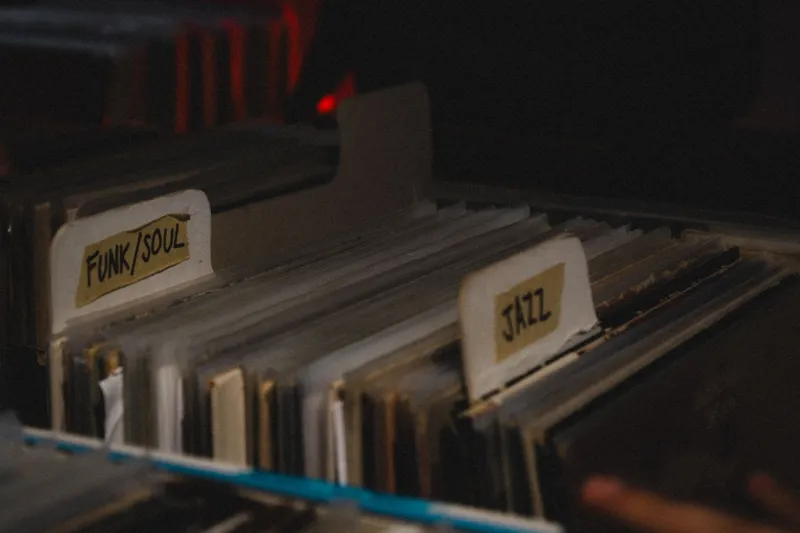
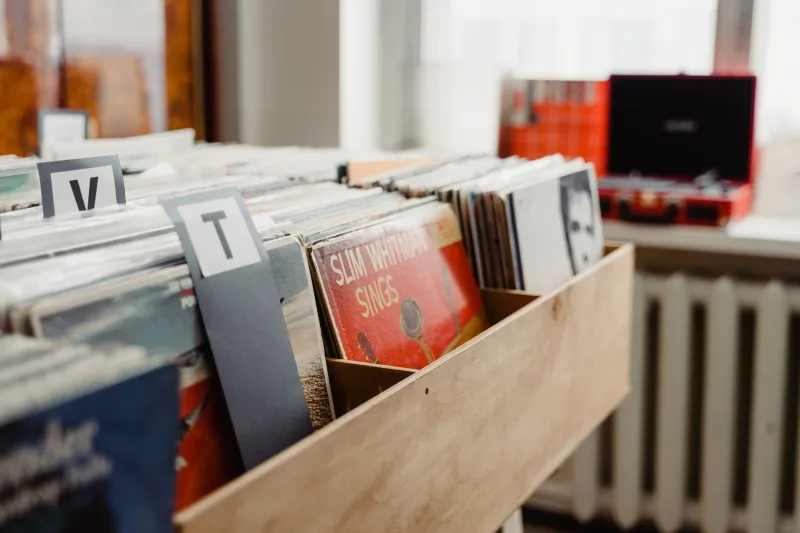
The tradition of crate-digging — the physical, often painstaking process of sorting through bins of used vinyl in search of overlooked recordings — has always carried a certain romantic weight in jazz circles. What has changed in recent years is the degree to which that sensibility has migrated into digital spaces and, perhaps more surprisingly, into the habits of listeners who have never once flipped through a milk crate.
Communities on Reddit, YouTube, and dedicated platforms like RateYourMusic have developed cultures that actively celebrate the discovery of lesser-known material. When a listener posts about an alternate take of a Thelonious Monk composition that reveals an entirely different harmonic approach, or surfaces a Blue Note session outtake that predates a musician's definitive studio recording, the response is not polite acknowledgment — it is genuine enthusiasm, the kind of communal excitement that once belonged exclusively to the record shop floor.
This cultural shift carries a specific implication: the measure of a serious listener is no longer simply whether one knows the canonical albums, but whether one has traveled meaningfully beyond them.
What the Algorithms Are Teaching Us
Streaming platforms did not set out to rehabilitate the B-side, but their architecture has produced precisely that effect. Services such as Spotify and Apple Music surface recommendations based on listening depth, rewarding users who exhaust an artist's catalog rather than cycling through the same celebrated titles. A listener who streams Kind of Blue in full, then proceeds to Porgy and Bess, then to Someday My Prince Will Come, and eventually arrives at the quieter, less-heralded corners of Davis's mid-period Columbia recordings, will find those platforms steering them toward material that radio and critical consensus never prioritized.
The result is a generation of jazz listeners who arrive at obscurity not through years of deliberate study but through the natural logic of algorithmic suggestion. The alternate take is no longer a reward reserved for the patient scholar. It is, increasingly, a recommendation.
This does not mean the experience is identical to the crate-digger's. There is something irreducibly different about holding a worn Prestige pressing and reading the matrix etchings in the inner groove. But the destination — a genuine encounter with jazz material that exists outside the canonical frame — is often the same.
Reissue Labels and the Business of Depth
Few forces have done more to legitimize the deep cut than the reissue labels that have spent the past two decades excavating label archives with scholarly care. Mosaic Records, the Connecticut-based specialist in limited-edition box sets, built its reputation on the premise that completeness is itself a form of argument — that hearing every session a musician recorded for a given label reveals something that the selected highlights cannot. The label's releases of complete Blue Note, Prestige, and Riverside sessions have consistently demonstrated that the material left off original releases frequently matches or exceeds what was chosen for public consumption.
Smaller operations have followed similar principles. Craft Recordings, Resonance Records, and the Verve reissue program have each released previously unissued sessions, alternate takes, and live recordings that have, in several cases, been received as among the most significant jazz releases of their respective years — not as historical footnotes but as genuine artistic events.
Resonance's posthumous releases from artists including Bill Evans and Ahmad Jamal have drawn particular attention, with critics and listeners alike noting that material recorded decades ago and left unreleased can arrive sounding urgent and necessary rather than archival and dusty. The B-side, properly framed and carefully presented, does not feel like a consolation. It feels like a revelation.
Rethinking What "Essential" Actually Means
The deeper consequence of this shift is a productive destabilization of the concept of the jazz canon itself. For much of the twentieth century, essential listening lists were assembled by a relatively small group of critics, producers, and label executives whose choices, however informed, reflected specific aesthetic preferences and commercial considerations. Recordings were selected for official release based on what producers believed audiences would accept, what radio formats could accommodate, and what fit the running time of a twelve-inch LP. The material that fell outside those constraints was not necessarily inferior — it was simply inconvenient.
As listeners gain access to that inconvenient material in increasing volume, the inherited canon begins to look less like a map of jazz's greatest achievements and more like a map of jazz's most commercially navigable achievements. The distinction matters.
This is not an argument that every outtake deserves equal standing with the recordings that have shaped the music's history. Not every alternate take reveals hidden genius; some were set aside for good reason. But the willingness to investigate that material — to resist the inherited hierarchy and make independent judgments — represents a more honest and ultimately more rewarding engagement with the music.
The Listener as Archaeologist
What the current moment offers, perhaps more than any previous era in jazz listening, is the invitation to become an active participant in the construction of one's own canon. The tools are available in ways they have never been before: streaming catalogs of unprecedented breadth, reissue programs of remarkable scholarly ambition, and communities of fellow listeners who treat the discovery of an overlooked recording as a shared event worth celebrating.
The jazz listener who ventures past the first familiar track, who follows a musician's discography into its quieter and less-celebrated corners, who treats the B-side not as an afterthought but as a potential destination — that listener is engaging with the music on its own terms rather than on the terms that history has pre-selected.
In that sense, the growing prestige of the deep cut is not simply a trend in collector culture. It is a recalibration of the relationship between the listener and the music, one that jazz — a form built on improvisation, surprise, and the willingness to venture into uncharted harmonic territory — has always implicitly demanded.