Multiple Returns: The Many Ways Working Jazz Musicians Are Keeping the Lights On
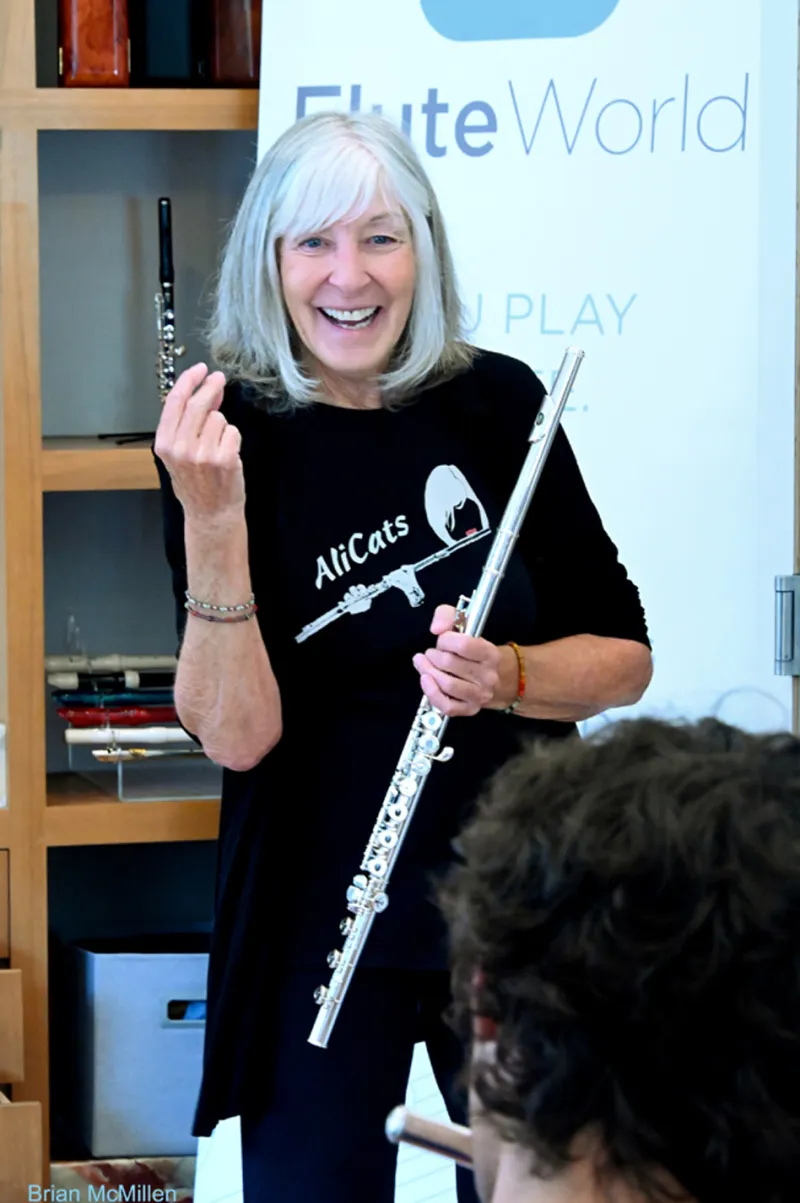
Photo: Brianmcmillen, CC BY-SA 4.0, via Wikimedia Commons
Ask a working jazz musician in 2024 what they do for a living and the honest answer will almost certainly require more than one sentence. They play gigs, yes. But they also teach — privately, at universities, through online platforms. They record session work for artists in adjacent genres. They score music for podcasts, independent films, and corporate video productions. Some run Patreon communities. Others have developed practices in music therapy, or taken positions as music directors at houses of worship, or built audiences on social media that translate, slowly and imperfectly, into revenue.
This is not a new phenomenon. Jazz musicians have always supplemented performance income with teaching and session work. What has changed is the scale of diversification required, the platforms through which that diversification occurs, and the degree to which the hustle has become inseparable from the artistic identity of the working musician.
"I think about my career the way a contractor thinks about their business," said Marcus Bell, a tenor saxophonist based in Brooklyn who has been performing professionally for fifteen years. "I have multiple clients. The gig is one client. My students are another. The session work is another. None of them alone would be enough. Together, they're a life."
The Teaching Economy
Private instruction remains the most reliable supplementary income source for the majority of working jazz musicians. The economics are straightforward: a musician charging sixty to one hundred dollars per hour for private lessons, with a stable roster of ten to fifteen students per week, can generate income that meaningfully supplements — and in lean periods, entirely replaces — performance revenue.
The digital transformation of music education has substantially expanded the market for private instruction. Platforms such as TakeLessons and Lessonface connect students with teachers across geographic boundaries, allowing a musician based in Kansas City to maintain a teaching practice that includes students in suburban Connecticut and rural Oregon. This geographic expansion has been particularly significant for musicians whose local markets are too small to sustain a full teaching roster.
Several musicians interviewed for this article noted that online teaching, while lacking the tactile immediacy of in-person instruction, has produced some of their most engaged students. "There's something about the format that attracts people who are really serious," observed Diane Osei, a pianist and educator based in Atlanta. "They've made an effort to find me specifically. They're not just taking lessons because their parents signed them up."
At the institutional level, adjunct teaching positions at community colleges and universities provide another layer of income, though the compensation is frequently inadequate relative to the preparation required and the positions themselves are structurally precarious. Musicians who have secured full-time faculty appointments represent a fortunate minority.
Session Work and the Cross-Genre Economy
The collapse of genre boundaries in contemporary American popular music has created genuine opportunities for jazz musicians whose training equips them to perform across stylistic contexts. Hip-hop producers seeking live horn arrangements, R&B artists requiring sophisticated chord voicings, film composers needing improvisers capable of responding to visual cues — all of these markets draw on skills that jazz training develops in unusual depth.
Trombonist and arranger Keisha Morales, who divides her time between New York and Los Angeles, describes session work as both financially essential and creatively stimulating. "I've played on records in the past year that range from a jazz trio album to a K-pop single to a documentary score," she said. "The jazz training is what makes all of it possible. The ability to read quickly, to adapt to a producer's vision, to deliver something usable in two or three takes — that's jazz."
The rates for session work vary considerably depending on the context, the musician's reputation, and the budget of the project. Union scale through the American Federation of Musicians provides a baseline for formal recording sessions, though a substantial portion of contemporary session work occurs outside union structures. Musicians navigating this landscape report that the ability to network effectively — to be the person a producer thinks of when a particular sound is needed — is as important as technical facility.
Music Therapy and the Healing Professions
A growing number of jazz musicians have pursued formal credentialing in music therapy, a field that combines musical skill with clinical training to serve populations including individuals managing mental illness, neurological conditions, and end-of-life care. The Board-Certified Music Therapist credential requires a bachelor's degree in music therapy or an equivalent clinical internship, and the work is compensated at rates that compare favorably to most performance income.
For musicians drawn to this path, the appeal extends beyond the financial. "There's something about improvisation — the specific skills that jazz develops — that translates directly into therapeutic work," said Anthony Reyes, a guitarist and music therapist based in Chicago. "The ability to listen in real time, to respond to what someone is actually doing rather than what you expected them to do — that's the core of both practices."
The intersection of jazz and therapeutic practice is explored in greater depth elsewhere on this site, but its significance as an income stream for working musicians merits acknowledgment here. As the music therapy field grows and the evidence base for its clinical efficacy expands, it is likely to become an increasingly common element of the working musician's portfolio.
The Direct-to-Fan Economy
Platforms such as Patreon, Bandcamp, and Substack have created mechanisms through which musicians can develop direct financial relationships with their most devoted listeners, bypassing the intermediaries — labels, booking agents, streaming platforms — that historically captured the majority of value generated by musical activity.
The results have been uneven. A handful of jazz musicians have built Patreon communities that generate meaningful monthly income, typically by offering exclusive recordings, educational content, behind-the-scenes access, and direct communication that cultivates a sense of genuine connection between artist and audience. The majority of musicians who attempt this approach find that building a paying subscriber base requires sustained effort and a willingness to engage with the promotional dimensions of the work that many artists find uncomfortable.
"I had to get over the idea that promoting myself was somehow undignified," said Bell, the Brooklyn saxophonist. "The music doesn't market itself. And if I don't tell people what I'm doing, nobody else will."
Bandcamp occupies a particular place in the jazz musician's direct-to-fan toolkit. Its model — in which artists set their own prices and retain a substantially larger share of revenue than streaming platforms provide — has made it the preferred distribution channel for independent jazz releases. Its "name your price" feature allows listeners to pay above the minimum, and the culture of the platform encourages this generosity in ways that streaming does not.
The Honest Accounting
What emerges from conversations with working jazz musicians is not a portrait of crisis, exactly, but something more nuanced: a picture of professionals who have accepted complexity as the condition of their vocation and have, with varying degrees of enthusiasm, built lives around that acceptance.
The compromises are real. Time spent teaching, managing a Patreon community, or recording a session for a genre that holds no personal interest is time not spent developing one's own artistic voice. The administrative burden of managing multiple income streams — tracking invoices, maintaining student rosters, engaging with social media — consumes creative energy that might otherwise flow into the music itself.
And yet the musicians who spoke for this article were, with few exceptions, more energized than exhausted. The diversification that economic necessity has required has, in many cases, expanded their artistic worlds in ways they did not anticipate. The session work has introduced them to producers and collaborators they would never have encountered within the jazz ecosystem alone. The teaching has sharpened their understanding of their own practice. The therapeutic work has deepened their appreciation of music's capacity to reach people in states of genuine need.
"I used to think the real career was the one that happened on the bandstand," said Osei, the Atlanta pianist. "Now I think the real career is everything. The bandstand is the center of it. But it's not the whole thing."